A retractable awning can transform a hot, sun-soaked patio into a comfortable outdoor living space. Choosing the right size, fabric, features, and installer will have the biggest impact on performance, durability, and long-term value.
Here’s what every homeowner should know before buying:
- The best awning isn’t always the biggest. Proper sizing creates comfortable shade without making your patio feel closed in.
- A quality fabric and integrated housing often add more long-term value than extra gadgets.
- Motorized and smart awnings aren’t the same thing. True smart systems can automate daily operation and respond to changing weather.
- Professional installation affects performance just as much as the awning itself.
- The company you choose matters long after installation. Service and support can be just as valuable as the warranty.
- Buying based on price alone often leads to the most expensive mistakes.
At Marygrove, we’ve spent decades helping homeowners create outdoor spaces they actually want to use. Our custom retractable awnings combine premium materials, professional installation, and long-term service to deliver shade that’s designed around the way you live.
Keep reading to learn how to compare your options, avoid common buying mistakes, and choose a retractable awning you’ll enjoy season after season.
Retractable Awnings vs. Other Patio Shade Options: Which Is Right for You?

For homeowners dealing with afternoon sun, a retractable awning checks the most boxes. It creates shade when the patio needs it, disappears when it doesn’t, and preserves the open feel of your backyard.
Pergolas and fixed patio covers are a good choice when you’re building a permanent outdoor room. Louvered pergolas offer added weather protection but require a much larger investment. Shade sails work well in some settings, though they don’t offer the convenience or control of a retractable system.
If your goal is to make your patio comfortable without permanently changing the space, a retractable awning is often the most versatile solution.
Wind, Rain, Snow, and Sun: What Your Awning Can Handle
Retractable awnings are built to handle everyday outdoor conditions, but they’re designed for shade first. Knowing what they can and can’t handle will help you get the longest life from your investment.
Wind
Wind is the biggest threat to any retractable awning, but preventing wind damage is possible with the right features. Even a well-built frame can be damaged by strong gusts if it’s left extended. If your area experiences frequent afternoon storms or unpredictable winds, a wind sensor is one of the best upgrades you can make. It automatically retracts the awning before conditions become a problem.
Rain
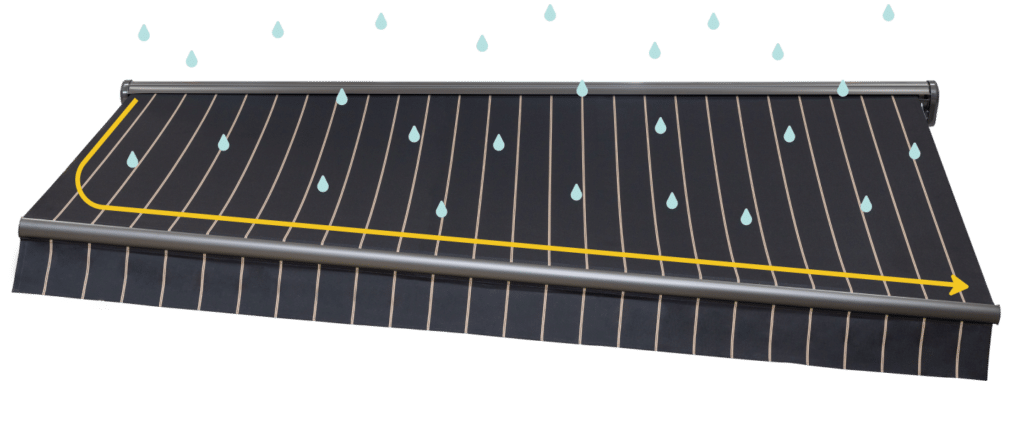
A light rain shower usually isn’t an issue as long as the awning is set at the proper pitch so water can run off instead of pooling on the fabric. Heavy rain is different. Standing water adds significant weight, so it’s best to retract the awning once the weather turns. If rain is a regular concern in your area, look for the best retractable awning for rain, built with proper pitch and drainage in mind.
Snow
Retractable awnings should never be used to support snow or ice. If snow is in the forecast, keep the awning fully retracted. The frame is designed to provide shade, not carry the weight of winter weather.
UV Exposure
Sunlight is exactly what a retractable awning is made for, but years of UV exposure can still take a toll on lower-quality fabrics. Premium outdoor fabrics are designed to resist fading and maintain their appearance through years of sun exposure. An integrated housing also protects the fabric from unnecessary UV exposure whenever the awning is closed.
Coastal Climates
Homes near the coast face an extra challenge. Salt air can accelerate corrosion on lower-quality hardware and finishes. Powder-coated aluminum frames, stainless steel components, and routine cleaning help protect the awning and keep it performing well in coastal environments.
How to Choose the Best Retractable Patio Shade
The best retractable patio shade is the one that fits your home, your climate, and the way you use your backyard. These are the seven decisions that have the biggest impact on long-term satisfaction.
Get the Size and Projection Right
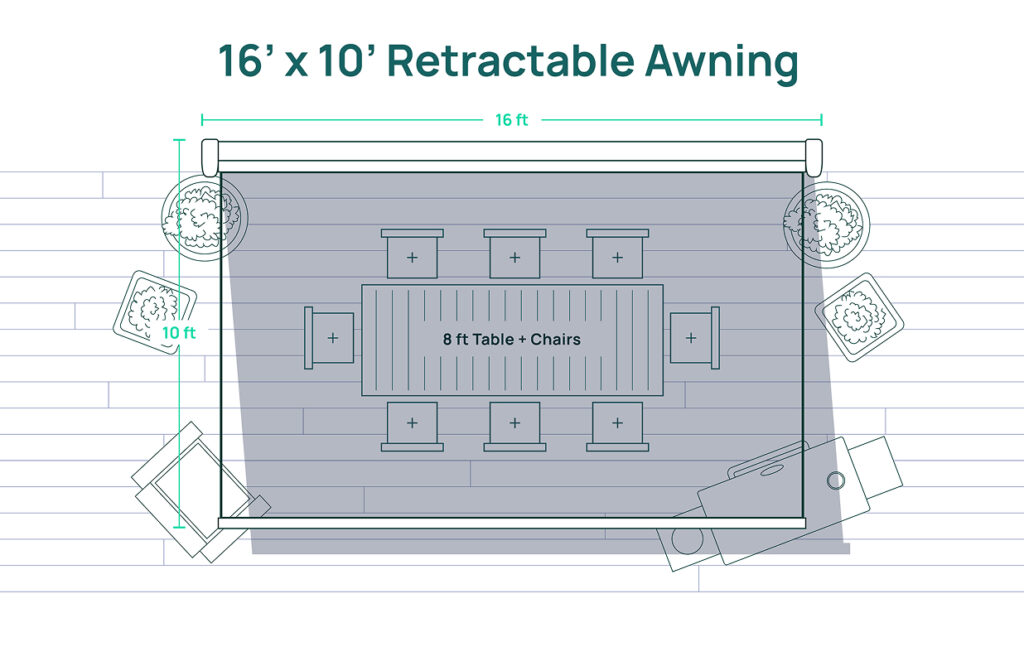
Bigger isn’t always better. An awning should provide enough shade for the area you use without overwhelming your patio or blocking more sunlight than necessary. Think about where people sit, where the grill or outdoor kitchen is located, and when the afternoon sun becomes a problem. In many cases, covering about 70 to 80 percent of the patio creates a comfortable balance between shade and sunshine.
Decide Between Manual, Motorized, and Smart Controls

Manual awnings still have a place on smaller patios, but most homeowners appreciate the convenience of motorized operation. If you’re considering a smart awning, look beyond the marketing. Some systems simply replace a remote with a phone app. A true smart awning goes further, using sensors to respond to changing conditions, such as automatically retracting when wind speeds become unsafe, instead of relying on you to notice and act in time
Why Fabric Quality Matters Most
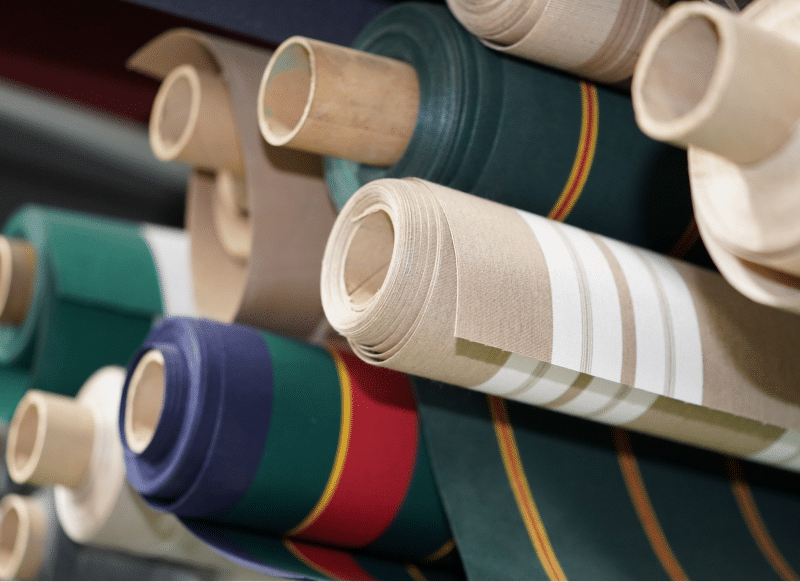
The fabric does much more than determine how your awning looks. It affects fade resistance, UV protection, airflow, and long-term durability. Look for a premium high-performance polyester fabric engineered specifically for outdoor use. That kind of construction resists fading far better than lower-quality fabrics, so the awning keeps its original look season after season.

Integrated Housing vs. Partial Cassette Systems
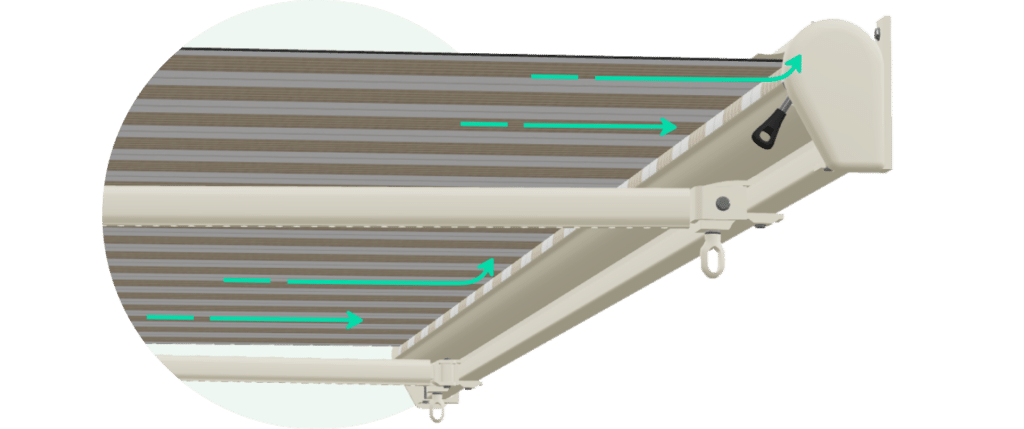
When the awning retracts, where does the fabric go? An integrated housing completely encloses the fabric and moving parts, protecting them from rain, dirt, pollen, and UV exposure while the awning isn’t in use. Systems with partial or no cassette leave more of the fabric exposed, which can shorten its appearance and lifespan over time.
Match the Awning to Your Climate
An awning that performs well in Arizona may not be the right choice for coastal New Jersey or the suburbs of Chicago. Wind, humidity, salt air, and heavy seasonal weather all influence the features worth investing in. Wind sensors, corrosion-resistant components, and proper pitch adjustment become much more valuable in some regions than others.
Find the Right Mounting Location

The mounting surface is just as important as the awning itself. Wall mounting is the most common option, but soffit and roof mounts can work when wall space is limited. A professional evaluation also accounts for doors, windows, lighting, gutters, and clearance so the awning operates without interference.
Look for a Company That Services What They Install

A retractable awning is a long-term investment, so the company behind it matters just as much as the product itself. Professional installation affects how the awning performs from day one, while dependable service helps keep it operating for years to come.
At Marygrove, the relationship doesn’t end after installation. Our in-house team installs the awnings we sell and remains available if a motor needs adjustment, a sensor needs attention, or you have questions down the road. Instead of being referred to a manufacturer or third-party installer, you’ll know exactly who to call.
That’s one of the biggest differences between buying an awning and investing in one. You’re choosing a company that will stand behind the product long after installation day.
What Ownership Should Look Like After Installation
A quality retractable awning should be easy to own. With a little routine care and access to reliable service, most homeowners enjoy years of trouble-free operation.
Keep It Clean
Cleaning is straightforward. Remove leaves, pollen, and other debris as needed, then wash the fabric occasionally with mild soap and water. Before retracting the awning for an extended period, make sure the fabric is dry to help prevent mildew.
Know When Something Needs Attention
Retractable awnings have moving parts, so occasional adjustments are normal. If the awning begins operating unevenly, makes unusual noises, or stops responding to the remote or wall switch, it’s a good time to schedule service before a minor issue becomes a larger repair.
Most Repairs Are Preventable
Many service calls are the result of weather damage or years of deferred maintenance. Retracting the awning during high winds, keeping the fabric clean, and addressing small problems early can prevent many of the most common repairs.
Service Should Be Part of the Purchase
Before buying, ask who you’ll call if your awning needs attention in five or ten years. Some companies sell the product but leave future service to someone else. Others install, maintain, and repair the systems they sell, giving homeowners one trusted point of contact throughout the life of the awning.
For homeowners who want continued care after installation, Marygrove offers the Mint Program, a maintenance and service plan designed to help keep your retractable awning looking and performing its best for years to come.
A Well-Built Awning Is a Long-Term Investment
A retractable awning is designed to provide years of comfort, shade, and outdoor enjoyment. Its lifespan depends on the quality of the materials, professional installation, and routine maintenance, but a well-built system can deliver reliable performance for many years.
While that makes it a larger upfront purchase than some shade options, many homeowners choose to finance their awning to spread the cost over time. With flexible financing options available through Marygrove, it’s often possible to invest in the awning you really want instead of settling for a lower-quality solution that may need to be replaced sooner.
Retractable Patio Shade Buying Checklist

Before you meet with a contractor or request pricing, take a few minutes to answer these questions. You’ll have a much clearer idea of what you need and be better prepared to compare your options.
- Measure the width of the area you want to shade. Focus on the space you actually use, not the entire patio.
- Estimate how far the shade needs to extend. The right projection depends on where the afternoon sun reaches your seating area.
- Identify when your patio becomes uncomfortable. A west-facing patio has different shade needs than one that only gets morning sun.
- Decide how you want to operate the awning. A manual crank, motorized remote, or fully connected smart system each offers a different ownership experience.
- Consider your local weather. Frequent wind, heavy rain, coastal conditions, or seasonal storms can influence the features worth investing in.
- Decide whether integrated housing is worth it. Keeping the fabric enclosed when it’s not in use can help preserve its appearance for years.
- Compare the company. Ask who installs the awning, who provides service, and who you’ll call if you need support years after the installation is complete.
By the time you start collecting quotes, you’ll be comparing complete solutions instead of simply comparing prices. That usually leads to a better decision and fewer surprises after installation.
Ready to Find the Right Retractable Patio Shade?

A comfortable patio starts with the right shade. When your awning fits your space and the way you live, your backyard becomes a place for morning coffee, family dinners, and evenings outdoors.
When you’re ready to explore your options, schedule a free consultation with Marygrove. We’ll help you choose the right size, fabric, and features for your home so you can enjoy your outdoor space with confidence.

Josh Eberly
Josh Eberly's background in home renovation runs from the ground up. After years successfully flipping houses and seeing firsthand what adds real value and livability to a property, he brings that practical, hands on perspective to the outdoor space at Marygrove. Today he focuses on retractable awnings, patio covers, and custom shade solutions that help homeowners turn underused patios and decks into spaces they actually enjoy. Outside of work Josh enjoys spending time with his family, sports (WE ARE!), and cultivating experiences with his close friends.
Favorite Marygrove Awning - Harbor Grey with White Frame.